If you’ve ever wondered how to make life easier at home, the answer may not be buying more things. Sometimes the problem isn’t what you own. It’s the amount of effort it takes to live with it.
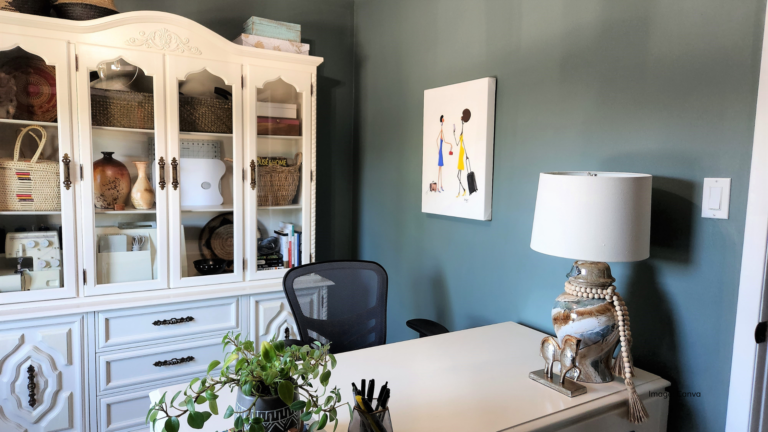
There I was, standing in my kitchen, moving my stand mixer from the basement to a newly added hutch. Not exactly a life-changing moment. At least that’s what it looked like on the surface. But as I placed it on a shelf within easy reach, I realized something: I had spent years making a simple task harder than it needed to be.
Every time I wanted to bake, I had to go downstairs, retrieve the mixer, carry it back up, use it, clean it, and return it to the basement. Did I survive? Of course. Was it the end of the world? Not even close.
But it was friction. And sometimes the smallest sources of friction quietly drain the most energy.
As a professional organizer, I’ve learned that clutter isn’t always the biggest problem in a home. More often than not, it’s the systems, habits, and routines that make everyday life feel unnecessarily difficult.
This month, I want to talk about something that doesn’t get enough attention: The hidden cost of making life harder than it needs to be.
The Badge of Honour Nobody Asked For
Somewhere along the way, many of us learned that struggle equals virtue. We wear busyness like a medal. We pride ourselves on making things work. We tell ourselves:
- “It’s fine.”
- “I’ll deal with it.”
- “I don’t need to change it.”
- “I’ve always done it this way.”
And while resilience is admirable, unnecessary struggle isn’t. There’s a difference between overcoming challenges and repeatedly choosing systems that no longer serve us.
I’ve seen clients spend years navigating overflowing closets, cluttered countertops, overcrowded storage rooms, and frustrating daily routines because they became accustomed to the inconvenience. The friction became normal, so normal, in fact, that they stopped noticing it.
How to Make Life Easier at Home by Reducing Friction
Not all clutter announces itself.
Sometimes clutter isn’t the pile. It’s the process.
It’s:
- Digging through six containers to find the one item you need.
- Walking to another floor for something you use every day.
- Moving five things to access one thing.
- Reorganizing the same space over and over because it was never set up to support how you actually live.
- Keeping items in locations that look good but don’t function well.
None of these moments seem significant on their own. But together? They create tiny daily frustrations that slowly chip away at your energy. It’s death by a thousand paper cuts. Not dramatic enough to demand immediate attention. Just irritating enough to make life feel heavier than it needs to.
Sometimes You’re Not Buying a Thing, You’re Buying a Feeling
Recently, I spent a day cleaning and refreshing parts of my home. While I was cleaning, a familiar thought popped into my head.
It’s one I’ve come back to more than once over the years, and every time it feels like a gentle reminder.
Sometimes the feeling I’m searching for isn’t sitting on a store shelf. It’s already waiting for me in a clean, cared-for space.
A space that helps me feel lighter.
Calmer.
More grounded.
More at ease.
Many of us think we need to buy something when what we’re actually craving is a feeling.
We think we need:
- A new basket.
- New decor.
- A new piece of furniture.
- Another organizing product.
Sometimes we do. But often we’re chasing:
- Calm.
- Freshness.
- Relief.
- Pride.
- A sense that life is coming together.
And sometimes a bottle of cleaner, a donation bag, an organized drawer, or an hour of focused effort delivers that feeling faster than a shopping cart ever could.
That’s why I encourage people to pause before making purchases. Not because spending money is bad. But because it’s worth asking:
“What problem am I actually trying to solve?”
The answer might surprise you.
Every Item Has a Job After the Dopamine Wears Off
If we’re trying to make life easier at home, every item deserves a closer look.
- The excitement of bringing something home is temporary.
- The responsibility of owning it is not.
- That sweater needs to be washed.
- That decorative pillow needs a place to live.
- That kitchen gadget needs storage.
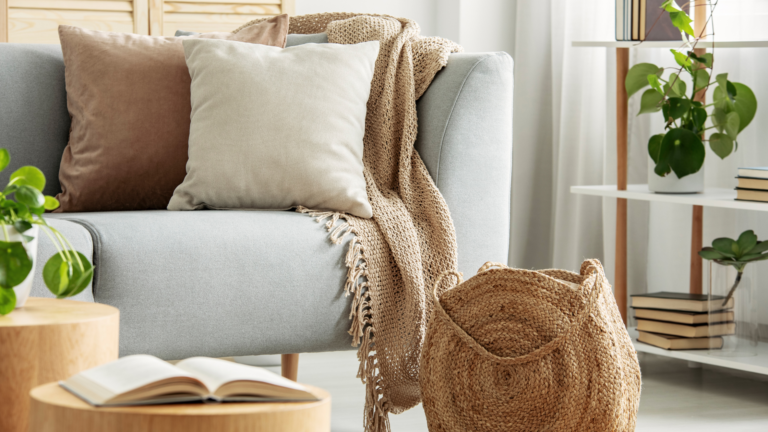
- That trendy basket needs to hold something.
Everything you bring into your home creates a relationship.
The question isn’t whether you like it. The question is whether it continues to support the life you’re trying to create once the excitement fades. Because after the dopamine wears off, the item still has to earn its place.
One Question That Changes Everything
Whenever I feel frustrated by a space, I ask myself a simple question:
“What am I repeatedly doing that I no longer need to be doing?”
That question has helped me:
- Rearrange furniture.
- Relocate frequently used items.
- Simplify routines.
- Reduce clutter.
- Let go of things that no longer fit my life.
It’s also a question I encourage my clients to ask. Not because every inconvenience needs fixing.
But because many do. And often, the solution is much simpler than we think.
Peace Often Lives in the Smallest Decisions
We tend to imagine transformation as something dramatic.
A full room makeover.
A perfectly organized pantry.
A complete decluttering overhaul.
But in my experience, peace rarely arrives all at once. It shows up in small decisions.
A mixer moved closer to where it’s used.
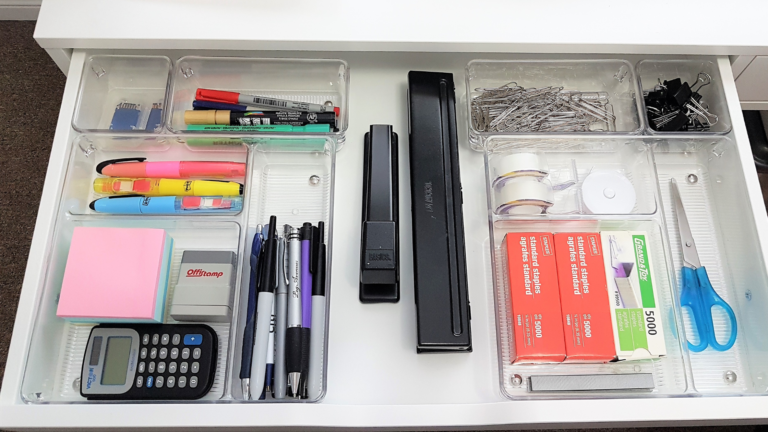
A drawer that finally functions.
A pile that finally gets sorted.
A routine that no longer feels exhausting.
A system that supports you instead of fighting you.
The goal isn’t perfection. The goal is creating a home that works with you, not against you. Life is demanding enough already. Your home shouldn’t make it harder.
So this month, I want to leave you with one question:
What is one thing you’re repeatedly doing that you no longer need to be doing?
The answer might be the beginning of a calmer, easier, more peaceful home.
The Bona Fide Nudge
Before buying something to solve a problem, ask yourself:
“Is this a storage problem, a clutter problem, or a friction problem?”
The answer will help you choose the right solution and may save you money in the process.
Ready to create a home that supports your life instead of complicating it?
Small changes can create big relief. Start with one area, one decision, and one point of friction you’d love to eliminate this week.
See how it works.