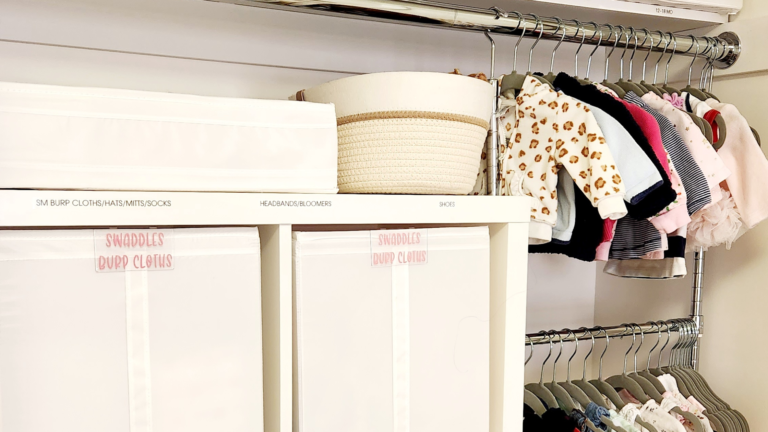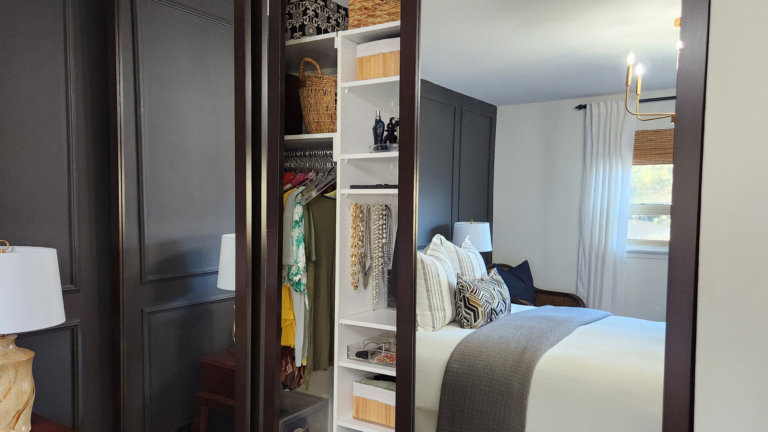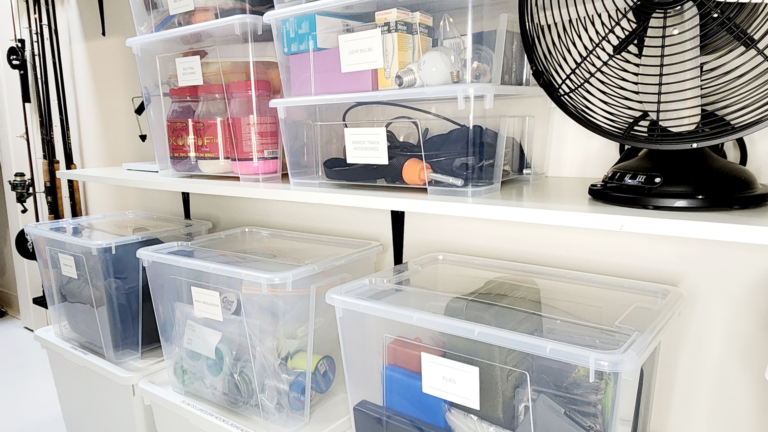
When keeping things organized starts to feel like a never-ending task.
Have you ever organized a space, stepped back to admire your work, and felt pretty good about how everything came together? Only to find yourself reorganizing that very same space a few weeks later?
Maybe it’s the kitchen cupboards, the food storage containers, your handbag, or that one drawer you swear you’ve organized more times than you can count.
You put everything back where it belongs, create a little order, and promise yourself that this time, it’ll stay that way.
Until it doesn’t.
And before you know it, you’re doing it all over again.
But here’s something worth considering: What if the problem isn’t that you can’t stay organized? What if the system you’re trying to maintain simply isn’t working for you?
When Reorganizing Becomes a Routine
There’s nothing wrong with reorganizing. Our needs change, our households evolve, and sometimes we simply want to refresh a space.
But there’s a difference between reorganizing because you want to and reorganizing because you’re constantly frustrated with how things are functioning.
Think about a kitchen where the pots, pans, and food storage containers are regularly rearranged because nobody seems to put them back where they belong.
It’s easy to assume the problem is that family members aren’t following the system.
And sometimes, that’s exactly what’s happening.
But it’s also worth asking whether the system makes sense to everyone using it.
Are things easy to access and put away? Is there enough room for everything? Are frequently used items stored where they’re most convenient?
Or does maintaining the system require more effort than anyone is realistically willing to give?
An organizing system shouldn’t become another chore to manage.
Clue #1: You’re Always Putting the Same Things Back in Order
If you’re repeatedly reorganizing the same area, pay attention to what keeps going wrong.
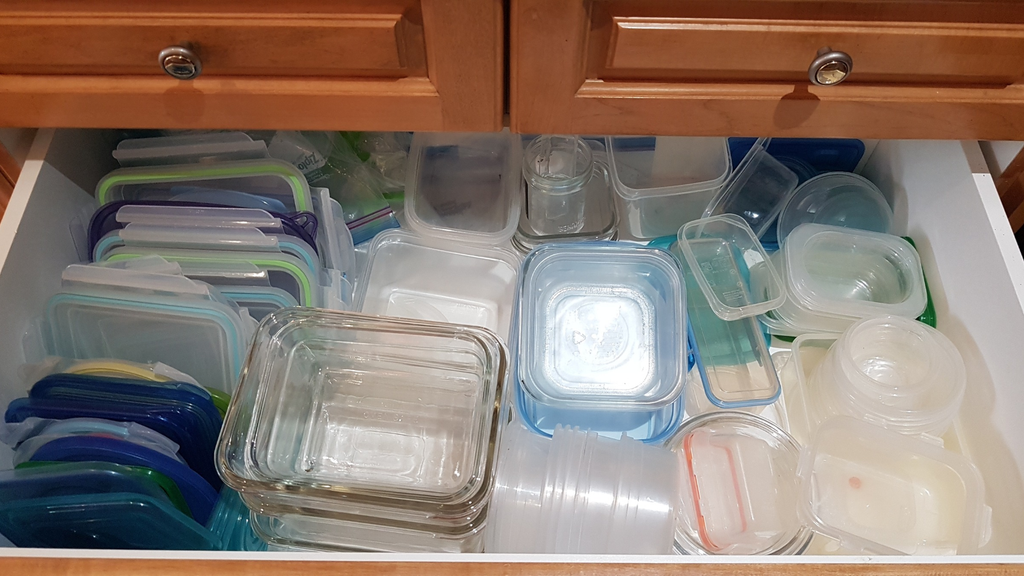
Perhaps your food storage containers are constantly overflowing because you have more lids and containers than the cupboard can comfortably accommodate.
Maybe your kitchen drawers look beautifully arranged after a reset, but everyday use quickly disrupts them.
Before investing time in another overhaul, ask yourself what’s causing the disorder in the first place.
Sometimes the solution isn’t a different arrangement. It’s having less to manage, creating easier access, or reconsidering where things belong.
Clue #2: Your System Only Works When You’re the One Using It
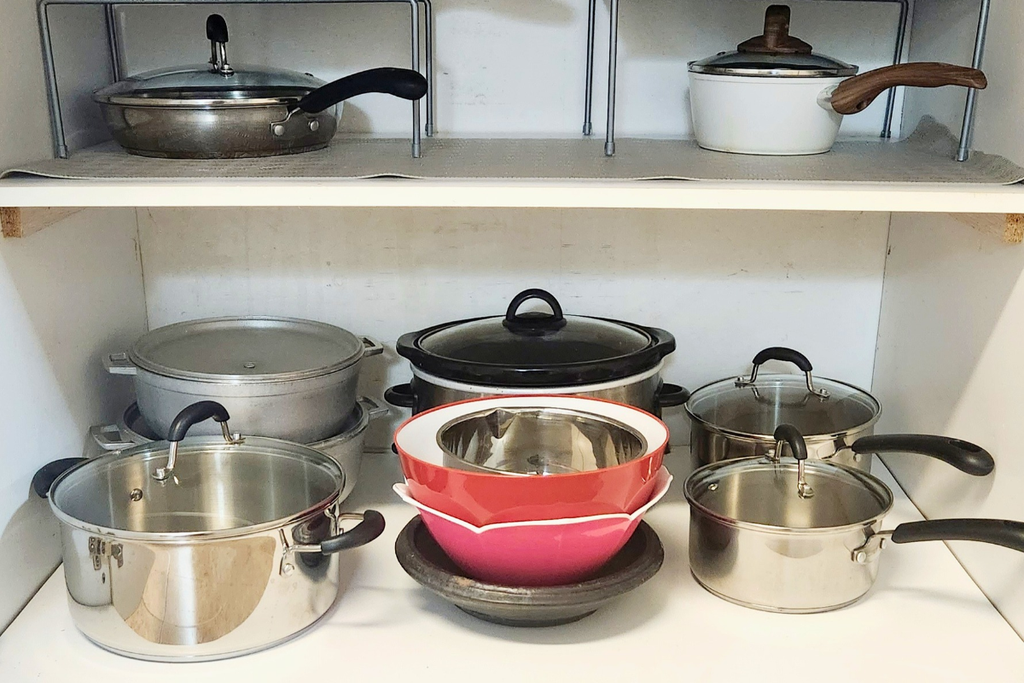
You know exactly where everything goes.
Unfortunately, nobody else seems to!
Sound familiar?
It’s frustrating when you’ve spent time creating order, only to have someone else disrupt it.
But a shared space needs a system that works for the people sharing it.
That doesn’t mean everyone gets to ignore where things belong. It means the system should be simple enough to understand and convenient enough to maintain.
If putting something away requires moving several other items, remembering a complicated arrangement, or navigating an overstuffed cupboard, there’s a good chance things will eventually end up wherever there’s room.
Sometimes a small adjustment makes a bigger difference than another complete reorganization.
Clue #3: You’re Organizing Around Things You Rarely Use
Here’s one that can easily go unnoticed.
You keep rearranging your belongings to make everything fit, but have you stopped to consider whether everything still needs to be there?
Perhaps you’re shifting appliances around to accommodate others you rarely use. Or finding new ways to stack containers, even though you consistently reach for the same few.
It’s easy to focus on making better use of available storage without questioning what we’re storing.
And because there’s room for something, we often assume it deserves to stay.
But having space to keep something isn’t necessarily a reason to keep it.
Before reorganizing, consider whether some of those belongings are still useful, necessary, or relevant to how you live today.
You might discover that the space doesn’t need another organizing solution. It simply needs fewer things competing for it.
Clue #4: You’re Constantly Searching for Things
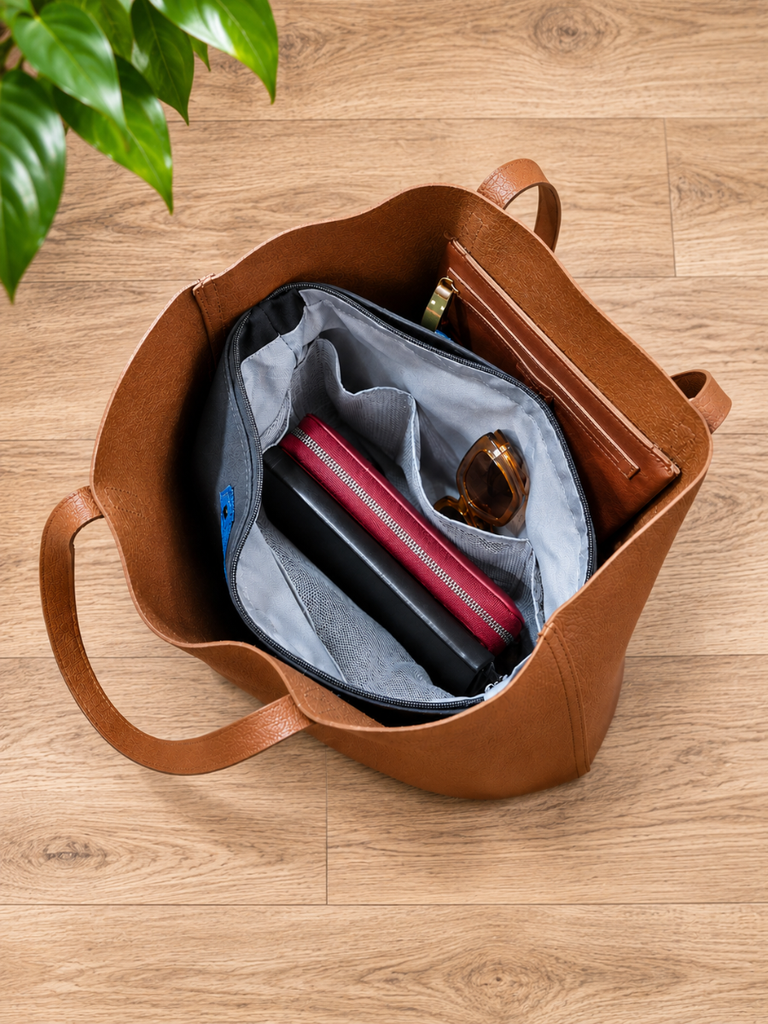
You may have designated spots for everything, yet somehow you’re still digging through your handbag, searching through drawers, or moving piles of paper to find what you need.
Having a designated spot is a good start, but it doesn’t automatically make something easy to find.
If receipts, documents, and miscellaneous items are all collected in one place without a practical way to separate or retrieve them, that designated spot can eventually become another place to search.
The same applies to organizing bins with broad labels that contain too many unrelated items.
A system should help you find what you need without having to sort through everything else first.
Sometimes it’s not about creating more categories or adding containers. It’s about making the things you use most often easier to identify, access, and return.
Clue #5: You’re Spending More Time Maintaining Order Than Enjoying It
This might be the most telling clue of all.
If you’re constantly straightening, rearranging, shifting, and putting things back into place, it’s worth considering how much effort your system requires.
Of course, every home needs regular upkeep. Dishes need washing, laundry needs putting away, and everyday life creates a certain amount of disorder.
That’s normal.
But maintaining an organized home shouldn’t feel like you’re repeatedly starting from scratch.
If it does, perhaps it’s time to stop asking, “How can I organize this better?” and start asking, “What’s making this so difficult to maintain?”
That one question can change how you approach the problem.
Sometimes the Best Solution Is to Stop Reorganizing
Before you pull everything out of that cupboard again, take a moment to observe how the space is actually being used.
Notice what consistently ends up out of place, what you have trouble accessing, and what nobody seems to put away.
Those little frustrations are useful information.
Maybe the storage location is inconvenient. Maybe there are too many things. Maybe your household needs a simpler system, or perhaps the way you’ve always organized something no longer suits your routine.
You don’t necessarily need to start over.
Sometimes you just need to make a few thoughtful adjustments.
And remember, there’s no single definition of an organized home. What works beautifully for one person may be completely impractical for another.
The goal isn’t to create a system that looks organized for a moment. It’s to create one that makes everyday life easier.
So, the next time you find yourself reorganizing the same space yet again, consider whether you’re fixing the problem or simply resetting it.
Because sometimes, the clue isn’t the clutter.
It’s how often you have to reorganize it.